My Story: from over-medication to neurological injury, a story of harm from psychotropic medication
In August 2022, not long after my thirtieth birthday, I came to understand the term ‘Complex-PTSD’. Learning about it, and how it affected me, made so much sense, it felt like someone adding subtitles to the foreign movie that had been my life. It was in no uncertain terms a revelation.
At this stage of my life, I had been actively seeking help for 12 years and had been prescribed at least 21 different psychotropic medications. I was, at the time, on a cocktail of 6: Mirtazapine, Lithium, Aripiprazole, Diazepam, Buspirone and Propranolol.
Learning about trauma responses meant learning to understand how mine affected me. Everything I understood about trauma up until my thirties hadn’t allowed me to consider just how impactful and often insidiously traumatic the experiences throughout my childhood had been. My parents’ lack of capacity to support my emotional development and my mother’s subsequent abandonment, while I was an inpatient for anorexia at age 19, compounded the traumatic effects of growing up in a home where love was conditional. It also didn’t help that those experiences and their consequences had been continually minimised and explained away by mental health professionals with labels like ‘chemical imbalance’, ‘treatment resistant’, ‘emotionally unstable’ and treated with an ever-changing combination of medications I was told I’d likely need for life. The dark irony was that, in seeking support for the (now) obvious consequences of my childhood trauma, I was entering into a dynamic with the medical model that compounded it repeatedly, for years into adulthood. There was such a focus on what was wrong with me and how it could be fixed, a narrative I never even thought to question, that what had happened to me seemed almost inconsequential. Of course there was something wrong with me, even my own mother didn’t want me.
It was only when I finally felt confident to advocate shifting the focus of my treatment, both within the mental health system and within myself, on to what had happened to me that I began to make sustainable progress. After these realisations I requested (or more accurately argued for) a diagnosis of Complex-PTSD, so that I could receive the right therapeutic support. I also requested to begin reducing the cocktail of medications I was on. I questioned strongly that if I was still having daily anxiety, emotional flashbacks and suicidal thoughts, which I had done for the better part of 20+ years up until that point, what purpose was this medication serving. It felt like too many variables not knowing what the medication was actually doing if I knew it wasn’t helping.
I felt, for the first time ever, that I had the tools to truly self-advocate. It was a relief to know that, despite feeling overwhelmingly defective and depressed, there was a reason for it but most importantly a solution. My emotional responses and behaviours weren’t caused by a ‘condition’, they were caused by a conditioning which I could learn to re-condition with self-compassion, boundaries, reparenting and therapeutic support, none of which required chemicals. This gave me hope. The lightbulb moments of this year, though profound and life-changing for the better, set off a cascade of suffering I never imagined possible. I already felt I was at the bottom of a mountain in facing up to and healing from years of unaddressed trauma and unmet emotional needs, but I had no idea there was another mountain left to climb and that I’d be left to climb it with no help other than that which I sought and received from communities of strangers on the internet.
All the medications I have ever discontinued I did so with the support of either a GP or a psychiatrist, and this time was no different. Between September 2020 and September 2021, I came off all the medications I was on apart from Mirtazapine. In January of 2021 I also committed to reducing my caffeine and cannabis use. From January of that year, I contracted a viral or bacterial infection every single month for 8 consecutive months and had almost permanent headaches and throat ulcers. I was working hard to heal my trauma responses at the same time, seeking self-help and further private counselling while I waited for EMDR through the NHS. I also begged for and eventually received support for my restrictive and binging eating pattern, fearing a relapse of previous coping mechanisms like purging due to my weight having ballooned while on Lithium. By August 2021 I was completely exasperated from feeling so unwell, experiencing symptoms of reflux throughout this time too. I felt strongly, as I always have, that I needed to keep doing more to take responsibility for my declining physical health, so I stopped smoking tobacco and stopped consuming caffeine altogether. Upon reflection I’m certain this was the beginning of my body reacting to years of self-abuse, trauma, unnecessary over-medication, and the subsequent discontinuation of these medications at too quick a rate.
When it came to the Spring of the following year, I felt ready to stop the final medication, Mirtazapine, feeling certain I wanted to complete my upcoming EMDR treatment without any more variables. At this point I was only considering the impact this would have on my mental health having no awareness of the physical impact withdrawal was having so far or would have going forward. I approached my GP practice for an appointment on March 28th, 2022, and explained my reasoning for wanting to discontinue Mirtazapine. The doctor’s only real concern also being around the management of my mental health, but I explained how I felt equipped to deal with that, a statement I think I’ve since proved to be true, little did I know what I’d be coping with. The instructions I was given did not seem any different than all the other times I had stopped or swapped medications under supervision in the past, so I did not think to question them and followed them exactly. I had been told to halve my dose from 45mg to 30mg for a week, then I would take 15mg for a week, then I was to take 15mg every other day until I ran out. All of this took a total of 20 days before I took my final dose of Mirtazapine on the 17th of April 2022, a drug I had been on 45mg of for 13 years at this point.
I remember more obvious withdrawal associated symptoms starting as soon as I reduced my dose from 45mg to 30mg. It felt just like the couple of occasions in the 13 years that I had accidentally missed a dose. After stopping the medication for a few weeks, I had a phone check-up with a pharmacist who said that some withdrawal symptoms were normal, but they should pass after a few weeks and to keep doing what I was doing to take care. Over the course of the following weeks the symptoms not only stayed but they both intensified and multiplied. The symptoms became progressively severe and felt increasingly disabling.
In the summer of 2022, I looked online to see if there was any information about anyone else having such an intense experience and how I could perhaps manage it. During my research I came across lots of information about antidepressant withdrawal. The majority of the information reflected what I had been told already; that the process of withdrawal would be mild and last a few weeks at most, but the more I looked the more information I found that reflected my more enduring experience.
What caught my attention most was a website called Surviving Antidepressants. This website was peer led, founded by a woman who experienced life-altering difficulty tapering psychotropic medications herself and didn’t want others to navigate the process alone like she had to, so she (like others have since) created a community for herself and her peers. At the time, the website was used as a forum where, alongside resources and information, people could post their stories to seek peer support, advice, and camaraderie. As well as this, the site promoted users to share it with clinicians in the hopes they might use the information stored there to further their learning of the effects of psychotropic medications and their potential harms. Consistently others described with such uncanny accuracy the symptoms and feelings I was experiencing too. The list of symptoms was extensive, and I could relate to so many of them, each one of us with our own unique but relatable and chaotic pattern. I felt so seen and my experience, though horrific and frightening, developed a sense of context and I felt safer and more contained within it somehow. A small consolation given I didn’t feel I had anyone else to turn to for practical support and I felt especially mistrusting of clinicians knowing this had happened under their instructions and without any warning of such injury being possible.
The acute phase of withdrawal lasted around 20 months before it transitioned into a chronic fluctuating state of unpredictable waves (what we in the withdrawal community call symptomatic periods) and windows (what we call periods of stability) by January 2024.
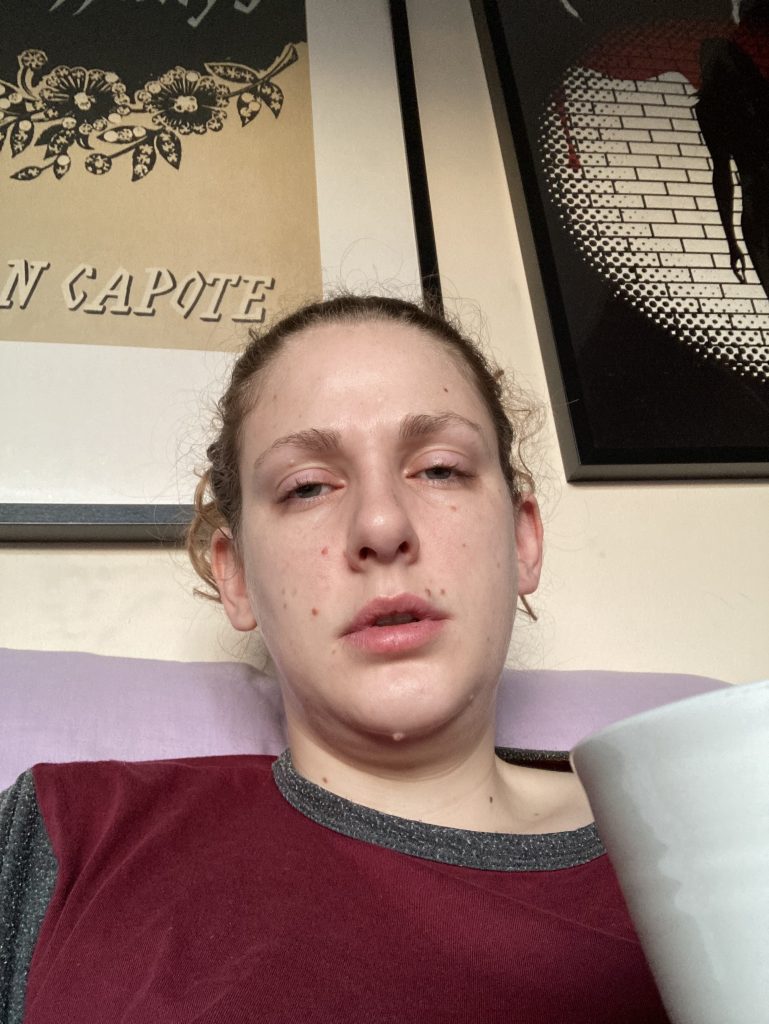
The acute phase peaked at intensity around the 9-10-month mark. It is difficult to explain just how severely this injury impacted me at its worst, but it felt like every sensory process was under attack and every nerve in my body was struggling to regulate 24 hours a day. It was a tremendously painful existence, physically and psychologically. Everything hurt. I was engulfed and just sighed perpetually, muttering expletives to myself as I tried to make it from one room to another so I could execute the necessary tasks to keep myself nourished, hydrated and manage my pain.
I cried incessantly and felt physical sensations of impending terror in a way I never had before. It kept me so adrenalized that my heart would pound to a point that it felt like it would burst out of my chest. My TMJ flared suddenly and my jaw seized up so I could barely open my mouth, the pain radiating into my scalp, neck and shoulders. I had a permanent headache that only fluctuated by getting worse. My scalp hurt so much that I cut my long and loved hair as short as I could tolerate emotionally but what I really longed to do was shave it all off and I thought about this each time I took my hair in and out of a bobbles and clips, trying to find relief. Every hair follicle was so unbearably painful.
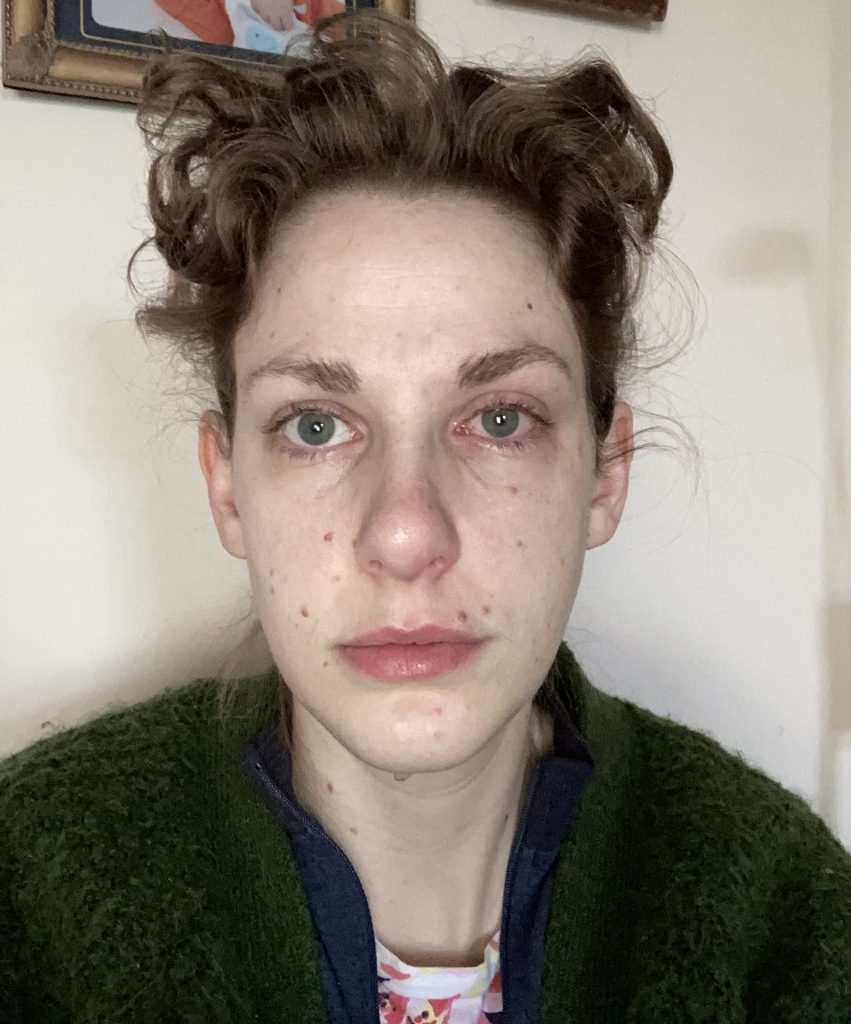
Taking anything at all such as vitamins, antibiotics, anti-inflammatories and even steroid creams seemed to make everything significantly worse. The only thing I could seem to tolerate was a 15mg dose of codeine alongside a single paracetamol which offered some semblance of relief, but I had to be sparing to avoid compounding the headaches, so I only took that combination 2 or 3 times a month at the very most.
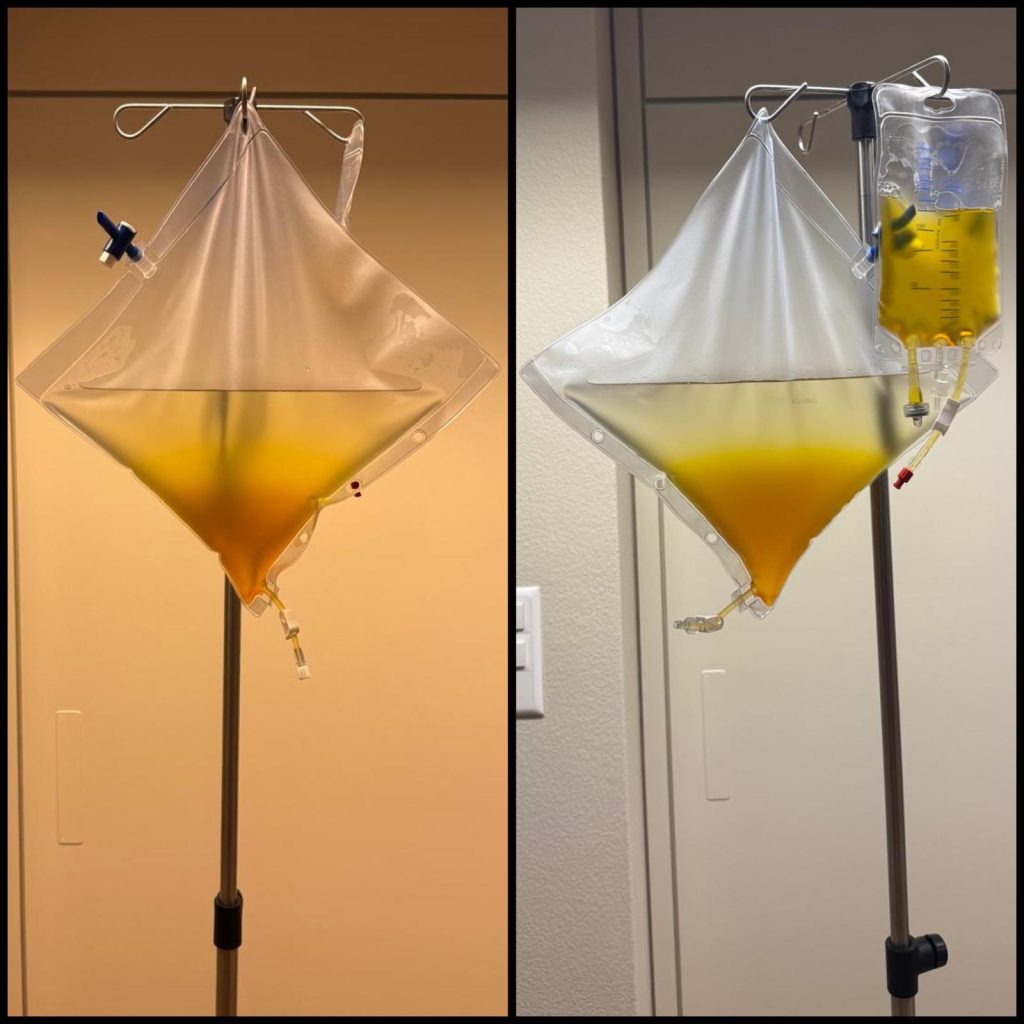
If I did manage to fall asleep I could only sleep one or two hours at a time. The sleep I did get was filled with vivid dreams and nightmares and I would wake with a gasp in panic each time. Even at night, I had to eat every couple of hours, or it would feel like my stomach was eating itself. The pain in my stomach was intolerable, but I also felt nauseated and the thought of eating made me want to vomit. The nausea felt as though I was permanently at sea. I would get up at night and have a banana, a handful of walker’s salt and vinegar crisps or a potato waffle, the random staples which I seemed to find the most palatable. I lost weight rapidly, losing 23kg in the first year and a half of withdrawal. To mitigate this, I sought out and consumed low volume high calorie foods and resorted to nutritional drinks but, due to the new sensitivity to vitamins, they made me feel quite ill. Everything I ate would go straight through me even if I could face consuming anything. I had fluorescent highlighter-yellow diarrhoea numerous times a day and felt the need to urinate even if I didn’t have to go.
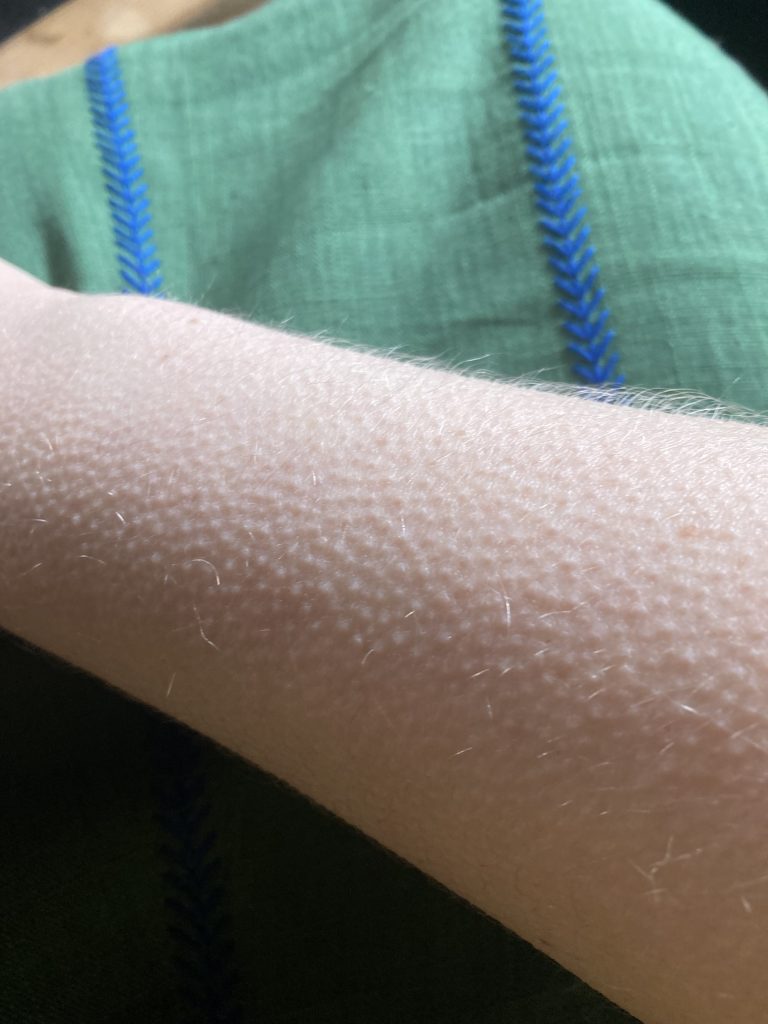
I had goosebumps and chills all the time which made my skin hurt and feel feverish, and this only stopped briefly if I developed sweats instead. I wore layers whatever the temperature and always carried a hot water bottle with me. The bath was often the only place I ever got any sort of relief, so I often took two a day.
I developed eczema for the first time in my life, and I could no longer use beauty products that I had been fine using for years. The smell of deodorant or perfume made me feel sick and instantly exacerbated my headache, as though I had been exposed to some awful toxin.
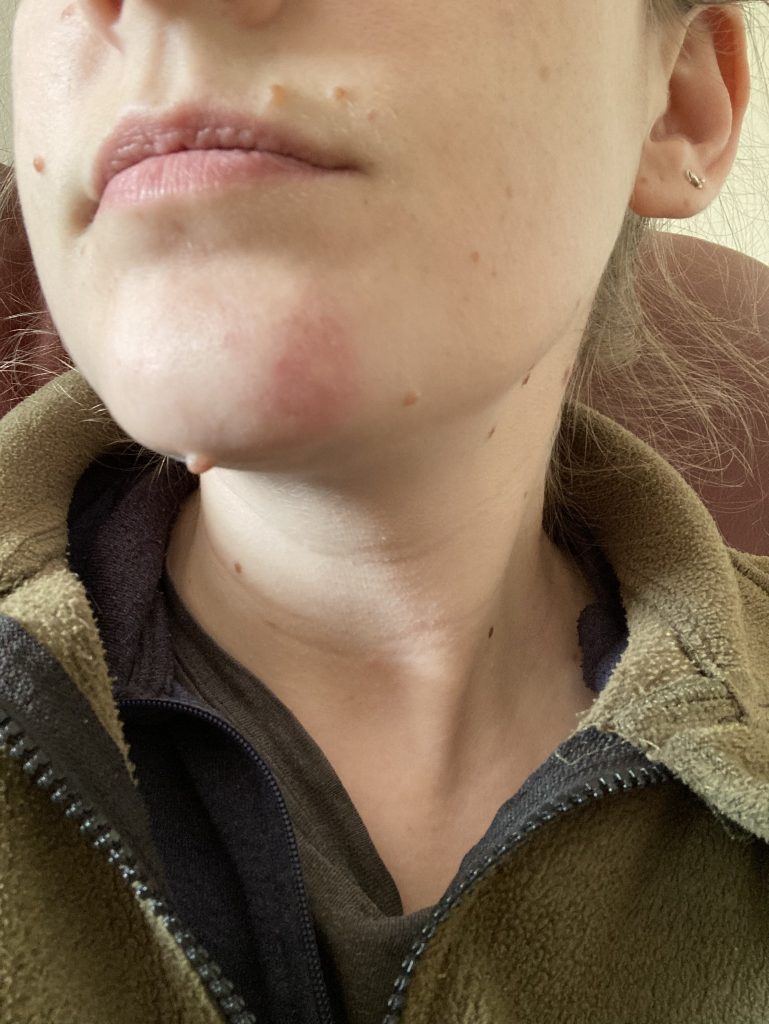
I felt disproportionally terrified, angry and sad. My thoughts would race uncontrollably. The only reassurance I could give myself was the understanding of why this was happening and if I held on with everything I had one day it might pass. I could barely concentrate and it was so difficult to hold a conversation, feeling as though I was watching everything in the third person, and I struggled to speak and recall certain words. I felt like I was fighting to survive all the time and lived by the motto: “no one is coming to save you”. I talked myself through each moment, learning to take care of myself in a way I wish I’d been able to learn more gently, with less desperation. I became the most self-compassionate and resilient version of myself, and I feel I am now my own safest and most reliable source of support. I hate that something so wonderful could be born of such a violating injustice, but it has, and I am grateful.
There was literature I found online about some success for others in reducing their suffering by going back on to a small dose of their medication to stabilise their nervous system before very slowly tapering back off again. But it needed to be done within a certain time frame and would not necessarily help, it could even make things worse. I had already exceeded that time frame by the time I learned this, and I had also become terrified of going back to the doctor to ask for help. I felt certain they would say I was relapsing or needed to go back on the medication but for the wrong reasons i.e. because my mental health was causing all these issues, not the neurological injury. I knew I would refuse the wrong type of care, rightfully so. I knew I would argue or debate with them about what I’d learned about withdrawal, and I was so worried about what that would mean. Would it mean no care? Or worse, would it mean forced care as I had experienced in my 20s? I felt chewed up and spat out by the system, left riddled with disabling symptoms, cognitively compromised, and distressed but certain of what was going on. The last place I felt safe to turn was the place where this had been allowed happen.
When I did bring my situation to the awareness of outpatient mental health at my appointment, 7 months into withdrawal, they had no support to offer. They didn’t signpost me to any services or information that could help. They had no advice to give at all and certainly no validation or reassurance. If anything, it felt as if I was trying to educate them, but to no avail as they didn’t seem remotely interested or at all concerned and no one reported my adverse reaction. Apart from some brief input from a GP before his retirement, I was left to deal with this completely on my own and, once I had the capacity to, I raised a complaint so I could attempt to be heard and protect others from going through such an experience.
During a recent conversation with a clinician as part of resolving this complaint (which was no smooth process I hasten to add), I expressed my frustration that I have never been given informed consent about the risks of side effects or harm from medication, bar the couple of times where serotonin syndrome had been mentioned. Her response was that perhaps I was not given informed-consent because it was assumed I’d done my own due-diligence due to sounding articulate and intelligent. What a very bold assumption of every prescribing clinician I’d ever met over a 13-year period.
If the justification of why my experience happened is I, as the patient, should have known better, should have realised sooner, or should have done these things for myself to begin with then what is the system for? If the justification is that I as the patient didn’t ask the right questions, then that means I should somehow have known there was more to what was being said than was forthcoming. We are told time and time again to seek out support for our mental health, that ‘it’s okay not to be okay’ and at my most vulnerable I expected without a second thought to be able to trust that, as a clinician with qualifications in medicine that far supersede mine, you would give me all the information I needed to be safe and would know best how to handle these medications. We as patients are at the mercy of your capacity to prescribe and discontinue medication safely.
I grieve for the years I have lost to the unnecessary, over-prescription of psychotropic medications and the ongoing impact of their inappropriate discontinuation. I think it’s understandable that I am angry for having lost this time as a consequence of having my normal emotions and responses to traumatic experiences pathologized no less.
I have held myself accountable for the role I’ve played in the hindrance of my own wellbeing, I am the CEO of my life after all, but who else is being held accountable? I can’t hold a single clinician accountable, so I hold them all accountable. More importantly, I hold the system and the framework they work within accountable. I can only speculate that I would I have made different choices with different information, but I can strongly assume I would have. I can also only hope and assume that with better informed practice themselves so would each of the clinicians that prescribed me medications or discontinued them. I have worked hard to accept that each of these clinicians I’ve encountered didn’t intentionally set out to harm me, but whatever the intention, collectively they did. Whatever the cause, however responsible we are individually or collectively the consequences are mine alone to bear. It’s my life that’s been, and continues to be, deeply impacted.
I choose the word accountability with intention because I am here to advocate responsibility, shared learning, and constructive action. Sharing my story is about understanding why and how this happened, as well as the consequences, so prescribing clinicians are better able to take responsibility by preventing this in the future. My goal is to advocate creating a culture of shared power and informed choice when it comes to any psychiatric treatment, including medication, in the hopes of one day irradicating the traumatic impact of losing one’s identity to a framework that appears to trust statistical manuals and pharmaceutical giants more than the voices of those, like me, who are stating they are being harmed rather than helped by these treatments.
I will finish my story by briefly going back to the beginning of my journey with reaching out for help and starting medication. My shame had started off in childhood as a small knot in my stomach and it was left unaddressed until I became a knot, not worthy, not lovable, not good enough. It made me want to quite literally disappear and this desire fuelled my very specific goal to starve myself to death at age 17, feeling this would be the politest exit strategy from life as I could do this whilst maintaining the crippling pressure to be perfect. When I visited the GP at 18 and asked for antidepressants, medicine I had grown up hearing be referred to as ‘happy pills’, I was given Fluoxetine, before later moving on to Duloxetine.
If I had been provided with the kind of informed consent I am advocating for today, I believe I still would have taken the medication. Given my state of mind, I would have seen it as the lesser of all evils considering the alternatives I was doing to myself. However, I firmly believe that had I known about the risks or been aware of adverse reactions from that moment, my journey on medication might have lasted 2 or 3 years, not 13. Even though suicidal thoughts were present before my medication journey started, at some point early on, I believe a line was crossed where the medications and their frequent changes and additions became as culpable as my trauma responses for those thoughts, if not more so.
There are countless examples I could give you, now that I can reflect on the past, where my adverse reactions were screaming out to me and the professionals around me. Such as losing almost 3 days at age 20 to an overdose I’m told I took in the hours after taking my evening medication of Mirtazapine, Lorazepam and Pregabalin as prescribed, an act no one would believe I had no recollection of. Severe insomnia and restlessness (I now understand to be akathisia) at age 23 from starting Citalopram, that no one would address despite my pleas for help, because I was maintaining a healthy weight. Attempting, with guidance, to come off Mirtazapine at age 25 but after the first dose drop from 45mg to 30mg caused such racing thoughts and anxiety (classic withdrawal symptoms) I was told I probably needed to be on it permanently, so it was increased and Lamotrigine was added. I hope without needing to give more examples, which I do have plenty of, you appreciate the point I am attempting to demonstrate.
It feels as though for years that my experiences have been belittled, minimised and ignored and thanks to the determination and grit I possess this has failed in silencing me. I cannot begin to tell you how it feels, after half a lifetime, to not only be believed but to have been invited to have my voice heard in a way that can make a positive difference. I hope in sharing my lived experiences here today I can contribute to improving the care we receive as service consumers but also in making the care you deliver more informed, supportive, impactful and, most importantly, safe.